Hydropower
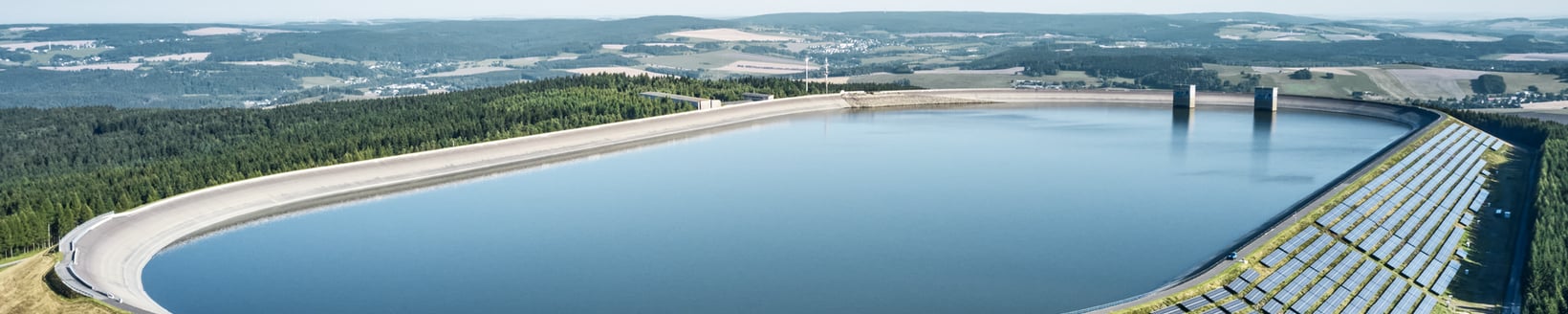
In Germany, Vattenfall operates a total of twelve hydropower plants, primarily pumped storage facilities, with an installed capacity of around 3,000 megawatts (MW). In addition to storing and utilizing surplus electricity, they also contribute to grid stability.
Electricity that is produced beyond current demand is either exported or stored. Pumped storage can play an important role in this by storing surplus energy, including electricity from renewable sources such as solar and wind power, and making it available again when needed. This flexibility makes pumped storage an important element for grid stability and for better use of excess energy.
Plants such as Vattenfall’s modern pumped storage plants in Goldisthal and Markersbach store electricity by pumping water into an elevated reservoir. In this way, electricity is stored in the form of the water’s potential energy. When demand increases or wind and solar generation declines, the stored water is released and drives a generator via a turbine. Within seconds, electricity is generated and fed into the grid to cover peak demand and balance fluctuations.
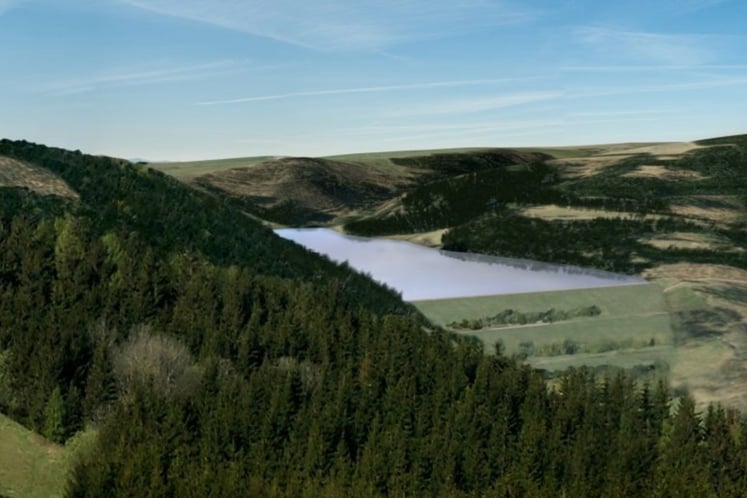
Pumped storage project PULS
In southern Thuringia, we are currently developing a new pumped storage facility that is intended to help secure Europe’s energy supply.